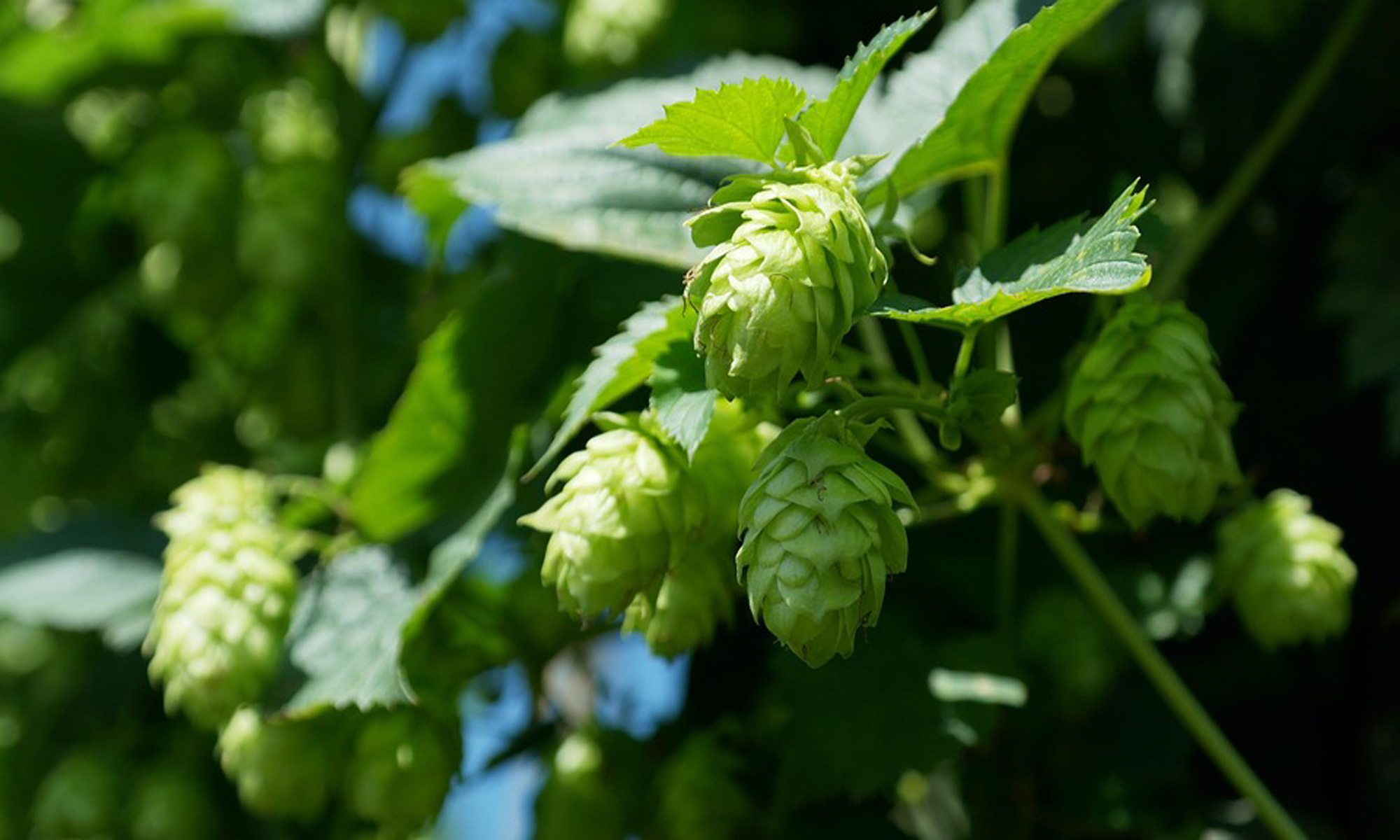
Football Season – Brown Ale

When football season comes out I go all out for brewing.  But since there are so many people that drink my beer when it comes to it, I like to go simple.  My crazy beers have a special place in my heart and I will always hold them close, but I don’t think my friends that like commerical beer have the same appreciation for them.   So in general simple is better.

This recipe is a pretty easy recipe, not to many bells or whistles to it.  It is the type of beer that pairs well with just about any football food and in general is just an easy beer to drink.  If you are looking for all-grain go with M.O as the substitute.

Football Brown Ale

1.5 lbs Crystal 60L

2 oz Roasted Barley

5 lbs Liquid Light LME

.5 oz Styrian Goldings (60min)

.5 oz Styrian Goldings (15min)

.5 oz Cascade (3 min)

WLP 013 or Windser dry yeast

OG: 1.042

FG: 1.013

SRM : 17

IBU: 18.7

ABV: 3.9%

Directions:

  • Steep grains at 150 for 30 min in 2.5 gallons of water
  • Take grains out, don’t ring the bag
  • Add LME to pot
  • Bring to a boil
  • Add .5 oz Styrian Goldings in beginning of boil
  • Boil for 45 min
  • Add .5 oz Styrian Goldings
  • Boil for 12 min
  • Add .5 oz Cascade hops
  • Boil for 3 min
  • End boil, cool down, put in fermenter, pitch yeast

Primary for about 7 days

Bottle for 14-21 days


Related Post:

Extra Foreign Stout

Dunkle Wheat Recipe

Maple Syrup Wheat Beer Recipe

21 Ways To Keep Passion In The Hobby Of Homebrewing

Homebrewing is an amazing hobby,  but just like most things in life, people end up getting into something that they really enjoy and the joy can diminish over time.  With homebrewing I’ve found it happens kinda like  writers block but, “brewing block”.  It happens to the best of us in the hobby and you go into this, hiatus of brewing.  When you do come out of it, and homebrewers always do, you look around and you have no beer.  In that moment you say one thing to yourself, “wow, this sucks.”

I wanted to break down 21 ways to help keep your passion for homebrewing alive so you will avoid this whole fiasco  all together or jump out of it real quick. So enjoy the 21 ways to keep the passion of home brewing alive.

1) Keg, don’t bottle

When you move into kegging, making beer is not such a big task any more.  You are filling up one big bottle not 48 little bottles.  I’m still waiting for the day to hear someone say, “Wow, I really miss bottling.”.  If you move to kegs, you won’t regret it.

2) Use bigger bottles if you have to bottle

If you can’t keg for what ever reason, consider using 22 oz bottle or 1 liter bottles. The bigger the bottle the less bottles you have to clean.  Cut your work in half when it comes to bottling.

3) Try some new recipes

You may just be sick of doing the same recipes over and over again.  Try making some new recipes.  This couples with the next suggestion, you may want to start drinking some craft brews.

4) Find inspiration from craft beer

In the past if I don’t want to make the same recipes over and over again, I’ll go and get a, “build your own” six-pack of beer.  Drink for inspiration…

5) Get more complicated

If you want to improve your abilities as a brewer, start adding things you wouldn’t have ever thought of adding.  Make some complicated beers with adding fruit or oak chips, or spices to it.  Or try different brewing techniques, that’s the beauty of this hobby – you can always learn something new and always get better if you want.

6) Get simple

Maybe you have been making some beers that had a lot of steps.  Back to the basics, try just a simple brown ale, or a pale ale.  Make something that will be ready fast and is easy to drink.  In the past when I’ve had multiple massive failures in a row, I would get frustrated.  Once I would start feeling that frustration, I knew it was time to go back to one of my, “Tried and true beers” (I have about 6 beers that turn out amazing ever time, they are my secret weapon for crowd pleaser’s).

5) Find shortcuts and multi task when you can

The one thing about brewing that it’s hard to work around is that it takes time.  As a brewer, if you can find shortcuts you can cut down the time needed.

6) Go bigger

Why make 5 gallons of beer when you can make 10 gallons?  Why make 10 gallons when you can make 20 gallons?  Brewing 2 or 3 times as much beer at once means you won’t have to brew to the frequency that you use too.  You won’t have as many weekends taken up by brewing!

7) Multiple beers in a day

If you do extract with specialty grains, do 2 batches in a day not just 1.  If you do all-grain, make a beer and than take additional runnings and make a, “light” version of the beer.  With porters you can make a, “mild” out of it.  While yes you need another burner for all-grain you will get 10 gallons beer out of a 5 gallon batch, it will be worth it.

8) Stop trying to keep up with everyone else…

Do your own thing, don’t listen to what other people are doing.  It can become discouraging to hear that people just dropped $5k on a brewing set up and you’re just using an old turkey burner and a pot you got from a garage sale.  Personally, I take pride in using second-hand /built equipment – I make great beers out of it.   I go with the idea of, did Jimmy Hendrix make a fender sound good, or was it the fender that made Jimmy Hendrix sound good?  Same goes for brewing, don’t think you need the most expensive stuff to make some great beers.  The brewer makes the great beer, not the equipment.

9) Turn it into an event

Invite some friends over, grill out, maybe see if they can give a helping hand.  Football season is right around the corner, there is your excuse to brew!  Make those football Sunday’s something special!

10) Start finding the history out of beer

Every beer has its own story, you can brew to a style that people were drinking back in 1700’s.  Start to learn about the beer itself, more than just the style requirements.  You can brew a bit of history.

11) Go to your homebrew shop, it’s different from online.

I know for some it’s not a reasonable option, but there is a culture with homebrewing and it is more than through a computer screen.  It’s about the smell of the hops, the smell of the malts, the conversation.  You have a hobby that shares a common personality, and pretty cool one at that.  I feel bad for ya if you don’t have a homebrew shop around but maybe there are meet ups in your area.  Experience the culture of homebrewing.

12) Seasonal Brews

Try brewing to the appropriate  season.   It’s hard to burn out a certain beers when you are brewing to a certain season, you’re only making them once a year.

13) Be organized

A brewing calendar will help you know what you want to brew that year.  This one really does pair up with suggestion #12.

14) Start splitting batches

Maybe you just don’t drink enough beer, so 2 cases of the same type of beer gets old.  Think about making a batch and  putting it into 2 different 3 gallon carboys.  One gets one yeast, the other gets another type of yeast.  Or maybe one gets dry hopped the other stays the same.  Whatever you do, make a small tweak to one so you get two different beers out of one batch.  You’ll learn more about that beer as well as get a variety.

15) You don’t need a starter for every beer

This is a recent thing, but a lot of people feel the need to make a starter for every beer they make – not really sure why.  Unless your beer is a high OG beer (1.070 +) you don’t NEED a starter.  This just takes more time, turns it into a bigger process.  Also you can just double pitch if it’s that big of a deal.  I guess what I’m trying to say is that don’t skip out on your brew because you couldn’t make a starter, there are always other ways around it.

16) Teach someone how to brew

It’s a great way to stay on top of your game, see if anyone is interested in homebrewing and if they want to brew with you. It may be time for the student to turn into the teacher, just stay one lesson ahead and you’ll look like a pro.

17) Make a big switch

If you do light beers, turn towards  big OG beers and just sit on them.  Start doing a barley wine every now and then, or maybe even some sours.  If you currently only do big beers, maybe switch to some lighter ones.

18) Start building your own equipment

I’ve always taken more pride in something when I end up building it myself.   Save some money and try to build some of your own stuff.  It will have your own, “micro, nano, brewery” touch.  If you save a bit of money on the equipment, then great – but for me it’s all about taking pride in my beer and the set up.

19) Stay away from forums, start picking voices to listen too

Way too many voices and too many people giving really bad information, that has been my experience on forums.  It’s a lot of static you have to sort out to find some helpful information.  The problem is, if you need a forum to answer your question, you may not have the experience yet to know what is good or bad information.  A way I would suggest to use them is, visit them to see what’s new with the hobby and that’s it.  As far as finding good information or instructions, pick a few voices and stick with them.  You’ll get more of a direction and won’t hear to many contradicting opinions.

If you are looking for some suggestions of “voices” to listen to, here are a few that I have turned to in the past.  All are very good in my opinion:

Brew Dudes – They have recipes, break down different malts, and hop profiles.  Very educational.

Mad Fermentationist – Does a lot of sours, if your interested in that type of stuff it’s about the best you can go to. 

Billy Brew – It’s about homebrewing and craft beer.  Doesn’t go crazy into details, pretty interesting blog. 

Beer Smith – A lot of podcast, about brewing techniques. 

Proper Hops – Craft beer reviews, great for inspiration on what to brew next.  They are all short videos.

Zythophile – The history of different beers.  It’s great for those that want to learn about the style itself.

Science Brewer – For those that want to know, “why” and gets into the details of brewing.  This is great for the that personality of brewing

20) Start making your own recipes

Maybe it’s time that you need to move away from kits, start making your own recipes.  We have a guide on how to do it.  Making your own recipes is not hard, and once you do it, it opens up a whole new world into brewing.

21) Realize this too shall pass

It’s normal to get burned out of something, even something as cool as homebrewing.  It’s best to not get discouraged.  Go out get some craft beers and start trying some new styles.  Eventually you’ll get inspired again.  There will be a moment where you will say, “I know I can make this”, or, “This style is cool”.  Maybe take a quick step back and realize that it will pass.  Just know you have a talent, you can turn 4 ingredients (malt, hops, water, and yeast) into something really tasty.  A talent and skill that should not be wasted.

Let us know if you have any other suggestions on how not to burn out of brewing!

Cheers,


Related Post

Bottle Bombs And What To Do With Them

Under Carbonated Beer

Too Many IPA’s


Kiwi Melomel Recipe – Might As Well Do Something Strange

This is one of those recipes you must do just so you can say you did it.  I’ve personally done this recipe before and the only reason I did it was to see the reaction of my friends.  It did turn out pretty well though.  So give a go for this kiwi melomel.

3 lbs Kiwifruit peeled and coursley cut

1 cup sugar

2.5 lbs Honey

1 teaspoon acid blend

1 pectic enzyme

1 Montrachet

1 teaspoon yeast nutrient

1.5 orange juice

1/4 tannin

Directions

  1. In a charge pot, boil kiwi and honey in 2 quarts of water for 1 min.
  2. Cool down to room temp and put into 2 gallon bucket.
  3. Add acid blend, pectic enzyme, tannin and enough water to make 2 gallon.
  4. Stir very well
  5. Add yeast and yeast nutrient
  6. Cover and put an air lock on top.
  7. Rack after strong fermentation is complete
  8. Let it sit until the wine is clear, and then cork
  9. Don’t drink for 6 months


Related Post:

Kiwi Wine

Apricot Wine


A Must Make Scottish Beer

My mindset has changed and now, it is time to start thinking about good early fall beers.  I mean we’re in August already!  This beer should be perfect for those nice cooler days to come.

This recipe is a recipe that I always seem to make once this time of year comes around.  It’s just a great recipe to refresh you when those nights are no longer 85 degrees out.  The recipe is a Scottish Ale recipe.  For those that haven’t made a Scottish Ale before, this style of beer has an, “earthy” flavors from the hops.  They are generally lighter beers to drink and are brown in color, unless you make a “Scotch Wee Heavy”.

When it comes to beer, these styles of beer (Irish, British, Scottish) are really where I thrive, I enjoy making these styles.  In general you’ll see that those styles have a simplistic approach for hop infusions as well as grains that are in the recipe.  Maybe the reason why I enjoy these beers so much is because I view brewing very much like cooking, less is more.   Trust me when I say, you won’t find anything to complicated about this beer. For all-grain brewers check out our conversion chart and us M.O for the grain.

Scottish 80L

Ingredients

8 oz 60L

2 oz Black patent

7.25 lbs Golden Light LME

1.5 oz Fuggle (60min)

.5 oz Fuggle (10min)

.5 oz East Kent Goldings (10min)

WLP 028

OG: 1.053

FGL 1.014

SRM: 15

IBU: 29.6

ABV: 5.1%

Directions:

  • Heat 2.5 gallons of water up to 150 degrees
  • Take grains, put in steeping bag and steep for 30 minutes
  • Pull grains out, don’t ring bag – discard bag.
  • Add malt extract, bring to boil
  • In begining of the boil add 1.5 oz Fuggle hops
  • Boil for 50 min
  • Add .5 oz Fuggle Hops and .5 oz East Kent Golding hops.
  • Boil for 10 min
  • End boil, cool down, put in fermenter, fill up to 5 gallons and pitch yeast

Ferment it in Primary for 7-14 days

Bottle and let it sit in bottle for 21 days.

Conclusion

This beer has those earthy hops that I love, Goldings and Fuggles.  The black pat changes the flavor just a bit, but at such a low amount it really doesn’t take over the beer.  With the crystal malt added to the beer, it makes it a bit darker as well as beefs up the sweetness.  Overall this is a really good well-balanced beer.  If you wanted to have a smokey flavor to it, I would add 1-2 oz of Peated smoked malt to it.  Don’t go higher than 4 oz of peated smoke malt, it’s a malt that a little goes a long way.

Hope you enjoy!


Related Post

Big Scotch Ale

Specialty Grains – A Guide

Brewing With The Season

How To Dry Hop

9 Off Flavors And Solutions For Them!


9 Easy Step Raisin Wine

Raisin wine is a pretty easy wines to make.  Just remember that raisins are dried out grapes, so it’s only natural to get a pretty decent wine out of them.   This one is fun to throw into the mix of wines every once in a while.

Yield: 1 gallon

Ingredients

1.75 lbs large raisins (dark or light)

1.75 lbs sugar

1 teaspoon acid blend

1 teaspoon pectic enzyme

1 package montrachet yeast

Directions

  1. In a charge pot, boil raisins in 2 quarts of water for 1 min.
  2. Add sugar and stir until dissolved.
  3. Cool down to room temp and put into 2 gallon bucket.
  4. Add acid blend, pectic enzyme and enough water to make 1 gallon.
  5. Stir very well
  6. Add yeast and yeast nutrient
  7. Cover and put an air lock on top.
  8. Rack after strong fermentation is complete
  9. Let it sit until the wine is clear, and then cork
  10. Don’t drink for 6 months

Related Post:

Grape Melomel Recipe

Blackberry Melomel Recipe

Sweet Plum Melomel Recipe

Lemon Zest Summer Beer

Summer ale’s are pretty fun to make, and there is no doubt about it that they are really refreshing.  This summer ale I put just a tad of lemon zest in it.  I guess the inspiration comes from the Sam Adams Summer Ale.  Either way, this beer is pretty easy and to me is kinda like an American Wheat.  For me this is going to be the last summer beer that I am making before I start transitioning into some really good fall recipes.  So the citrusy stuff might slow down a bit and move over to some other types of beers for the cooler weather.

Enjoy it while it last though.  For those that want to do all-grain or would like to use liquid malt extract we do have a conversion chart to make that very easy!

Ingredients

3 lbs Wheat DME

3 lbs Pils DME

1 oz Hallertau (60min)

1 oz Hallertau (20min)

1 oz Hallertau (5min)

1 oz Lemon Zest

WLP 001

OG: 1.053

FG: 1.011

SRM: 6.48

IBU: 27.6

ABV: 5.5%

Directions

  • Take 2.5 gallons of water and add all of your dry malt extract
  • Bring to a boil
  • Add 1 oz of hops at the begining of the boil
  • Boil for 40min
  • Add 1 oz of hops
  • Boil for 15 min
  • Add 1 oz of hops
  • Boil for 5 min
  • End your boil, cool down the wort, put in your fermenter, fill to 5 gallons

Primary 7-14 days

Secondary 7 days

In secondary you add your lemon zest.

Bottlle: 21 days
Conclusion:

Just because this beer does not have grains in it, don’t underestimate it by any means.  This beer is great for a hot day next to the BBQ.  This beer is just refreshing all around and with the citrus flavors from the Lemons really makes a well balanced beer.


Related Post

Summer Ale Beer Recipe

American Wheat Recipe

White Labs Yeast

8 Reasons Why Homebrewing Is Amazing

I wanted to write-up this opinion piece specifically for those that are thinking about homebrewing.  For those that are already homebrewing this post will just confirm that you have chosen an amazing hobby.

I love homebrewing, in fact it is one of my favorite hobbies.  I have a ton of hobbies,  I enjoy fishing, bee keeping, salsa dancing, hiking, grilling and so others, but homebrewing is just ridiculously fun and simply amazing.  I have laid out my 8 reasons why homebrewing is amazing:

1) You are going to drink it anyways

If you already drink beer, might as well get into the hobby of making it.  I mean it’s not going to sit on your shelf just collecting dust.  If you are a beer drinker might as well pick up a hobby that supports your fun activities, especially around football season.

2) Really not that hard

If you start reading too much stuff online that makes it sound like it’s rocket science, stop reading because they are probably the narcissistic brewer.  When I got into homebrewing the line that was told to me which I still will tell anyone thinking about homebrewing is, “If you can make chili, you can make beer.”.  Making beer is really that simple.  Heat water, steep some stuff, add some stuff, 2 hours later throw it in a fermenter, bottle in a few weeks and wait a bit more – ya it’s really that simple.

3) Your friends and family will support your new hobby

Unlike some hobbies, with homebrewing you will find your friends and family giving you lots of support.  Giving away your beer because you are nice or just because you want to puff your chest is an easy way to get unconditional support for your new enjoyment of making beer.  Plus it really makes birthday/holiday presents really easy.  Just slap a label on it and boom, it’s been customized.

4) Man caves or “women’s lounge” (not sure what women call their version of man caves) can always use a small brewery

Nothing cooler then going into your pocket of the house and seeing a kegerator or a stack of bottles which is YOUR beer.  It’s a hobby that you can get to take pride in, you made it, it’s yours.   Having your own homebrew is always a nice addition to your lounging space.

5) If you have OCD you’ll love it, if you don’t really care about things you’ll love it.

With homebrewing, you can take it as serious as you would like or not give a damn.  Either one works!  I’ve seen people who spend a fortune ($15k) on a set up and have it so they know every single measurement down to the, hundredth.  And that makes them happy!  They feel it keeps them sharp.  On the other hand you have people who really couldn’t care less, they just want to make some beer and drink it, no measurements needed, they’ll use second-hand equipment or go as cheap as possible.   That makes them happy.  No matter what side of the fence you are on, it’s fun!  It’s a hobby where you don’t have to go all in at once or ever if you don’t want to.

6)  Not that expensive

The most expensive part for brewing is the equipment.  But that’s the start-up fee.  It cost about $100 for all of the equipment without the pot or bottles.  Then you need to get the recipe which ranges in price from $20-$65.  So for about $40-$50 per recipe you get 2 cases of beer.  And it’s really good beer.   I wouldn’t go into the hobby with your objective being, “I will save on beer now” because I really don’t think you will.  Homebrew prices cannot compete with the prices of really cheap bad tasting beer.  You will make quality beer for a decent price.

7) Keeps you sharp

I know most people wouldn’t think of something that deals with drinking as keeping you sharp but it really does.  Not before long, most homebrewers start staying up late reading blogs, reading forums, checking out videos on all of these different aspects of brewing.  You work with numbers, you work with different flavors, you keep notes.  You really can make this hobby into something that you have to use your head.  Personally I’ve learned more about tools and building things then ever before in my life because of brewing.  I’m always trying to figure out how to build a piece of equipment or will say, “well I guess I need this tool to build ____, good excuse to buy one”.

8)  You do it yourself

You wrap everything up and you know what, you have a hobby where you make something yourself and you can take pride in that.  It’s a way to take pride in your own abilities and have some independence from the daily grind.   You can go out to get a beer and say, “I like this but I would add just a bit more of ____ to it”.  Right after that, you can go and find a clone for the recipe that and add what ever you wanted and it is yours, you did it.

Conclusion

I have a ton of hobbies, but homebrewing has and will always have a special place for me.  I’m sure that there are a ton of more reasons why homebrewing is great and I would love to hear yours as well.  But these were 8 reasons why I feel that homebrewing is just an amazing hobby.

10 Step Peach Mead

I was out  in the country over the weekend and couldn’t help but notice that peach stands were on the side of the road.  It only made me think of one thing, Peach Mead. This one is just a classic.  When ever I’ve made this one in the past I end up making a spritzer out of it.  Also it’s pretty good if you add this in to BBQ sauce.  When you add it to your BBQ sauce it gives just enough citrusy notes to make lighter meats like pork or chicken taste simply amazing.

Yield 1 Gallon

Ingredients

4 lbs peaches halved and pitted

1 cup of sugar

Juice of 2 lemons

2 lbs Honey

1 teaspoon acid blend

1 teaspoon pectic enzyme

1 package montrachet yeast

1 teaspoon yeast nutrient

1/4 teaspoon grape tannin

Directions

  1. Put peaches sugar and lemon juice into a 2 gallon container
  2. In a large pot boil honey ( 1 part honey 2 parts water)
  3. Pour the water/honey mixture over the top and let it cool.
  4. Add acid blend, pectic enzyme, and enough gallon to make 1 gallon
  5. Pour yeast on top and add tannin as well
  6. After most vigorous fermentation is complete rack into 1 gallon glass jug
  7. In about 3 months rack into another jug.
  8. In about 6 months rack again
  9. Bottle, cork, cellar
  10. Wait for 6 months until you open first bottle


Related Post

Apricot Wine

Grape Wine Recipe Wine

Ginger Methalgin 

What Is A Hydrometer?

When getting into the hobby of  homebrewing it might get overwhelming because of the new words and tools that are used.  One tool that you will surely see  is called a, “Hydrometer”.  So what exactly is it?

What  A Hydrometer Is

A hydrometer is a tool that is used to measure the density of liquids relative to water.  The measurement itself is known as a specific gravity.  At some point in time someone said that the measurement of water should have the specific gravity of 1.000.  As you add more and more sugars to the mixture the gravity goes up and up.

So What?

You can really gain a lot from this reading.  In the beginning before the yeast is added you take a measurement, that is called “Original Gravity” or known as the “OG”.  This will tell you how many fermentable sugars are in the wort.  When the fermentation is complete you take another measurement, this is called, “Final Gravity” or also known as, “FG”.  The final gravity will be less than the original gravity because the yeast ate fermentable sugars in the process called fermentation.

Now What?

Having the OG and FG allows you to find out what the abv is or at least get pretty close to it.

The simplest formula that I know is this:

ABV = (Starting SG (aka OG) – Final SG (aka FG)) * 131

Example On How To Use Formula:

OG: 1.056

FG: 1.009

ABV=  (1.056-1.009) * 131

ABV = (0.047)*131

ABV = 6.2%

Side Note

When reading a hydrometer you should probably take a note of the temperature you are reading it at.   Most are calibrated for 68 degrees, so if you take your reading at 80 degrees it will be inaccurate reading.  The reason is, the hotter a mixture the thinner it will become.

Conclusion

Using a hydrometer is not really necessary when it comes to making beer, your beer won’t fail because of the lack of it.  But, it is helpful to take readings with a hydrometer.  Knowing what the OG and FG are is helpful for trouble shooting if your beer has any problems along the way.  It’s much like going to the doctors, no matter if it’s just a check up or if you are sick, one of the first things they will do is take your blood pressure.  It’s not the end of the world if it is a little high or a little low, but if there is something eye brow raising – then we may have some issues on our hand.

The same is with homebrewing, people will tell you what the OG and FG are suppose to be for the recipe.  Don’t expect to get it spot on every time but if you are in the ballpark you are doing good.  Also if you plan on making the same recipe again and again, it’s a good one to add into your notes.

Hope it helps ya out.

Cheers


Related Post

You Know You Are A Homebrewer If…

Homebrew Emergency Kit

Great Beer Book For The Spring

Simple Maple Syrup Pale Ale

We are in the midst of summer and the heat is pouring on us, hopefully you have been keeping cool.  It is a pretty good time to start thinking of beers that are going to be good for September though.  I know, crazy talk!  You figure 2 weeks in Primary, 2 weeks in Secondary, and ample time for the bottles puts us right in the midst of September.  Don’t worry though.  If you are having brewers block not know what direction you should go for brewing up a batch of beer, I got just the one for you.

This is a Maple Syrup Pale Ale.  One of our first recipes for this blog was a Maple Syrup Amber.  It’s pretty good.  I really like to go with the maple syrup route in the fall and really lean on the earthy flavors, it’s just a personal preference thing.  This beer is best suited for the warm days where you can wear either shorts or pants and then in the evening you start to get those first crisp breezes from fall.  This beer is made for just that.  The reason why I will be making this one pretty soon is, I like to let this one sit for a bit and I try not rush it too much.  The Maple syrup can bump up the ABV quite a bit depending on how much you add and it may taste a bit hot if it gets rushed, so giving it some time really does help it out.

If you plan on doing this recipe all-grain we do have a conversion chart.  There is one thing to note though.  Since this recipe does have amber malt extract take the conversion of all-grain, 95% of that is Pale malt and 5% is going to be 80L.

MAPLE PALE ALE

1 lbs 40L

4 lbs Amber LME

3 lbs Light LME

6 oz Maple Syrup (last 5min)

1 oz Mt. Hood (60 min)

.5 oz Simcoe (30 min)

.5 oz Cascade (15 min)

.5 oz Cascade (dry hop)

.5 oz Simcoe (dry hop)

WLP 001

OG: 1.056

FG: 1.013

SRM: 14.59

IBU: 37.2

ABV: 5.7%

Directions:

  • Steep grains in about 2.5 gallons of water for 30min
  • Take out grains
  • Add LME
  • Bring to boil
  • In the beginning of the boil add 1 oz Mt. Hood hops
  • Boil for 30min
  • Add .5 oz Simcoe hops
  • Boil for 15min
  • Add .5 oz Cascade cops
  • Boil for 10 min
  • Add Maple syrup
  • Boil 5 min
  • End boil
  • Cool down, put in fermenter pitch yeast.
  • After 7-14 days rack into secondary and dry hop for 7-14 days
  • Bottle using 5 oz of corn sugar and keep in bottles for 3-4 weeks before you drink

Conclusion

This can be a bit on the sweet side by adding a pound of 40L as well as using amber malt extract.  The beer will have a nice hop aroma by dry hopping and you should pick up on a faint maple syrup flavor.  If you have a keg, and plan on kegging this beer, you can always add 6 oz of maple syrup directly to your keg to give it a bigger maple syrup flavor.  Since you are adding hops to this beer in the secondary, it will give the illusion of a hoppier beer then what is actually there.   It’s a pretty good beer for those that are into IPA’s but want to please friends that do not have the same appreciation for hops that you do.


Related Post

Maple Syrup Pale Ale Recipe

Maple Syrup Wheat Recipe

Time To Move Away From Kits